Siena Hotel vs Apartment: Which Is Better for Your Trip?
Hotel or apartment in Siena? The honest split: breakfast and service against kitchens and space, with luggage and parking factored in.
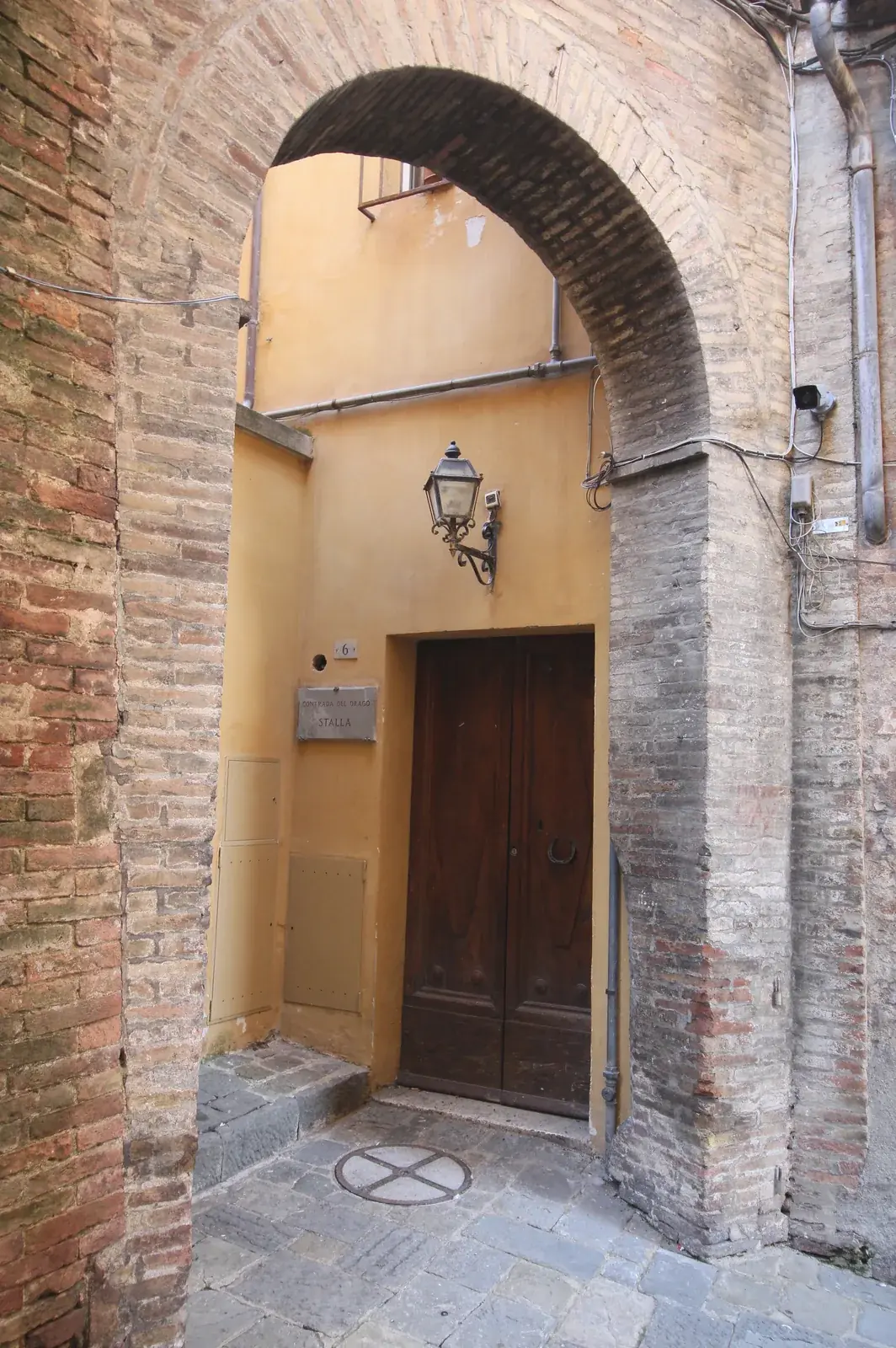
Photo: LigaDue, CC BY-SA 4.0. Resized and converted to WebP.
In this guide
- Introduction
- Siena hotel vs apartment comparison
- Choose a hotel for a short first visit
- Choose an apartment for space and routine
- Location matters more than hotel vs apartment
- Compare total price, not the headline rate
- Breakfast: convenience or flexibility?
- Kitchens and food shopping
- Laundry: a real advantage when verified
- Check-in and late arrivals
- Luggage storage and the final day
- Stairs, elevators, and accessibility
- Hotels vs apartments for families
- Hotels vs apartments for couples
- Parking and vehicle access
- Hotel and apartment booking checklist
- Common booking mistakes
- Final recommendation
- FAQ
Introduction
The choice between a Siena hotel vs apartment affects more than where you sleep. It changes check-in, luggage handling, breakfast, laundry, noise, privacy, local taxes, and how easily you can recover after walking the city’s hills.
For most first-time couples staying one or two nights, a hotel is the simpler choice. For families, groups, and stays of three nights or more, an apartment can provide useful space and a kitchen—provided the stairs, check-in process, and final price are clear.
Quick answer: Choose a hotel for a short stay, late arrival, breakfast, luggage help, front-desk support, or a special weekend. Choose an apartment for more space, laundry, a kitchen, children’s routines, or a longer stay. Location and access matter more than the accommodation label.
Siena hotel vs apartment comparison
| Factor | Hotel | Apartment |
|---|---|---|
| Best trip length | 1–3 nights | 3+ nights |
| Check-in | Usually easier and staffed | May be scheduled or self-service |
| Breakfast | Often available | Usually self-catered |
| Kitchen | Rare or limited | Usually included |
| Laundry | Paid service or shared | Often in-unit, but verify |
| Luggage storage | Common | Not guaranteed |
| Housekeeping | Usually included | Limited or none during stay |
| Space | Smaller rooms | More living space |
| Families and groups | Family rooms can be limited | Often practical |
| Late arrival | Usually safer with 24-hour desk | Can be difficult |
| Stairs and elevator | Varies, easier to verify | Historic walk-ups are common |
| Total-price clarity | Often straightforward | Check cleaning and service fees |
| Local support | Front desk | Host availability varies |
Choose a hotel for a short first visit
A hotel is usually the low-friction option when Siena is one stop in a larger Italy trip. You arrive, leave luggage, receive practical directions, and move into sightseeing without coordinating keys or learning an apartment system.
Hotels are particularly useful when:
- You are staying one or two nights.
- Arrival is late or uncertain.
- You want breakfast before an early start.
- Luggage storage matters on departure day.
- You prefer daily housekeeping.
- You want staff available for taxis, restaurants, or emergencies.
- The trip is an anniversary or romantic weekend.
For a short stay, the time saved can be worth more than the extra room an apartment offers.
Choose an apartment for space and routine
An apartment becomes more attractive when you will actually use its advantages. A kitchen helps with breakfast, children’s meals, dietary needs, and market purchases. Laundry can reduce packing on a longer trip. A separate living area gives families and groups space after sightseeing.
Apartments are particularly useful when:
- You are staying at least three nights.
- Two or more bedrooms are needed.
- Children nap or go to bed early.
- You want a washing machine.
- You prefer occasional meals at home.
- You are travelling with dietary restrictions.
- You value privacy over hotel service.
Do not assume every property advertised as an apartment provides a fully equipped kitchen, detergent, elevator, air conditioning, or easy check-in. Verify each feature.
Location matters more than hotel vs apartment
The best accommodation type in the wrong area can create daily inconvenience.
Inside the historic centre
Staying inside the walls gives immediate atmosphere and makes evening walks easy. The trade-offs can include stairs, nightlife noise, difficult vehicle access, older windows, and a longer luggage route.
A central apartment may feel wonderfully local while also being on the fourth floor without an elevator. A central hotel may offer staff and storage but have small rooms. Read the access description, not only the map.
Near Piazza del Campo or the Duomo
These locations suit first-time visitors and romantic stays, but they are among the busiest and can command higher rates. Ask about noise, room orientation, and how luggage reaches the building.
Porta Camollia and Viale Tozzi side
This side can work well for bus arrivals, a slightly easier luggage route, and travellers who want central access without sleeping beside the busiest squares.
Near Siena station
Station-area accommodation can be practical for rail travel, longer stays, or lower prices. The old town is uphill, so confirm the escalator, bus, taxi, or walking route.
Outside the centre or in the countryside
A countryside apartment or agriturismo can provide parking, space, and views. It is not equivalent to staying in Siena. A car or planned transfer may be essential, and evening dining becomes less spontaneous.
The full area comparison belongs in where to stay in Siena.
Compare total price, not the headline rate
A hotel rate may include breakfast, housekeeping, reception, and luggage storage. An apartment rate may add cleaning, service, late-check-in, or linen charges. Both may have local taxes collected separately.
Before booking, compare:
- Total for the whole stay.
- Cancellation terms.
- Breakfast.
- Cleaning.
- Local taxes.
- Parking.
- Extra-bed or child fees.
- Late check-in.
- Deposit.
- Laundry costs.
- Currency conversion.
- Payment timing.
An apartment that looks cheaper per night can cost more after fees. A hotel that looks expensive may include services you would otherwise buy separately.
Breakfast: convenience or flexibility?
Hotel breakfast is useful before a museum opening, day trip, or early departure. It can also remove the daily search for a child-friendly morning meal.
Apartment travellers can buy pastries, fruit, yogurt, coffee, and local products. This is flexible, but it requires an open shop, kitchen equipment, and time.
Do not choose an apartment solely to “cook like a local” unless cooking is genuinely part of the trip. Many travellers use the kitchen only for breakfast and drinks.
Kitchens and food shopping
Check whether “kitchen” means a full kitchen or a small kitchenette. Look for:
- Refrigerator.
- Hob or stove.
- Oven or microwave if needed.
- Kettle or coffee equipment.
- Cookware.
- Knives and cutting board.
- Dining table.
- Dishwasher.
- Basic supplies.
- Nearby grocery hours.
Siena’s food is one of the reasons to travel. Balance apartment meals with restaurants and bakeries using the Tuscany food guide.
Laundry: a real advantage when verified
A washing machine can make a long Italy trip easier, but check:
- Whether it is private or shared.
- Whether detergent is supplied.
- Cycle length.
- Drying method.
- Instructions in English.
- Quiet-hour rules.
Dryers are less common than some travellers expect. Clothing may need to air-dry, so do not schedule laundry the night before an early departure.
Check-in and late arrivals
Hotels with staffed reception are usually more forgiving when flights, trains, or buses are delayed. Apartments may require a meeting time, an app, an access code, or a remote identity-verification process.
Before booking an apartment, confirm:
- Latest check-in.
- Late-arrival fee.
- What happens when transport is delayed.
- Whether mobile data is required.
- Exact key collection.
- A working emergency contact.
- Whether all guests must submit documents in advance.
Travelers arriving through Florence Airport should choose accommodation only after reading how to reach Siena from Florence Airport.
Luggage storage and the final day
Hotels commonly hold luggage before check-in or after checkout, although this should still be confirmed. Apartments often cannot because the cleaner and next guest need the property.
When an apartment has no storage, use a legitimate luggage-storage service or plan transport around checkout. Do not leave bags in an unsecured common area without explicit permission.
Stairs, elevators, and accessibility
Historic buildings make accessibility highly property-specific. A listing saying “central” or “first floor” does not guarantee step-free access; European floor numbering may differ from what some travellers expect.
Ask direct questions:
- How many steps from street to room?
- Is the elevator available at all times?
- Does the elevator fit luggage or a stroller?
- Is there a step at the entrance?
- Is the shower accessible?
- Can a taxi stop near the door?
- Does the property sit inside the ZTL?
Travelers with mobility limitations should obtain written confirmation, not rely only on photographs.
Hotels vs apartments for families
An apartment often wins for bedtime separation, snacks, breakfast, and laundry. A hotel can still be better when it offers a true family room, elevator, breakfast, crib, reception, and simple arrival.
Enter children’s exact ages and full occupancy in every search. A room allowed for two adults may not legally or safely accommodate a child without an approved bed.
For city pacing, use the main Siena with kids guide and the focused one-day Siena family itinerary.
Hotels vs apartments for couples
Hotels often suit couples because service, breakfast, luggage support, and a central room make a two-night weekend easy. Apartments suit couples who want privacy, a terrace, longer stays, or a residential atmosphere.
The correct answer depends on the trip mood. A romantic hotel with an elevator and quiet room may be better than a photogenic apartment reached by five flights of stairs.
Use the Siena weekend itinerary for couples before choosing location.
Parking and vehicle access
Never assume central accommodation includes parking. “Parking available” may mean:
- A public facility nearby.
- A discounted facility.
- A private garage requiring reservation.
- Street parking outside the ZTL.
- A remote lot with shuttle.
- Temporary authorized access for luggage.
Ask the property for written instructions and compare them with the Siena parking guide.
Hotel and apartment booking checklist
Before payment, confirm:
- Final price.
- Cancellation deadline.
- Exact address.
- Arrival route.
- ZTL and parking instructions.
- Stairs and elevator.
- Air conditioning or heating.
- Noise notes.
- Bed configuration.
- Child occupancy.
- Breakfast or kitchen equipment.
- Laundry.
- Luggage storage.
- Check-in and checkout.
- Host or reception availability.
Read recent reviews for the features that matter to you, not only the overall score.
Common booking mistakes
Choosing the prettiest room without checking access
A beautiful room can still involve steep stairs, street noise, difficult luggage, or no cooling.
Comparing nightly prices instead of stay totals
Cleaning and service charges can change the apartment calculation.
Assuming “central” means easy
Siena’s centre is hilly, restricted to traffic, and divided by steep routes.
Booking a countryside property without a car plan
A view does not solve dinner transport.
Relying on generic platform filters
Verify key features directly with the property.
Final recommendation
Choose the accommodation that removes friction from the trip you are actually taking. For a two-night romantic weekend, that may be a staffed hotel near the centre. For a family week, it may be an apartment with two bedrooms, laundry, and a kitchen.
The right base should make Siena feel closer at the end of the day—not make every return journey feel like another attraction to conquer.
*Editorial fact-check: July 12, 2026. Property facilities, fees, taxes, access rules, and platform terms change. Confirm final details before booking.*
Helpful summary
The short version
Hotel or apartment in Siena? The honest split: breakfast and service against kitchens and space, with luggage and parking factored in.
Frequently asked
FAQ
Keep reading
Is Siena Worth Staying Overnight? The Day-Trip Question, Answered Honestly
Is Siena worth staying overnight? What day-trippers miss after 16:00, what the tourism numbers say, and how to decide between a day trip and a night.
12 min read · Updated 2026-08-23
Best Hotels in Siena: Five Central Stays for Travellers on Foot
Five central Siena hotels compared for travellers on foot, with verified addresses and what each hotel does and does not publish.
17 min read · Updated 2026-07-28

Where to Stay in Siena: Best Areas for Every Trip
Six Siena areas compared — starting with the question most travellers actually mean: sleep inside the walls, or outside them?
11 min read · Updated 2026-07-11